6 Popular Contraception Misunderstandings
Health News
07 Feb 2026
views
6 Popular Contraception Misunderstandings
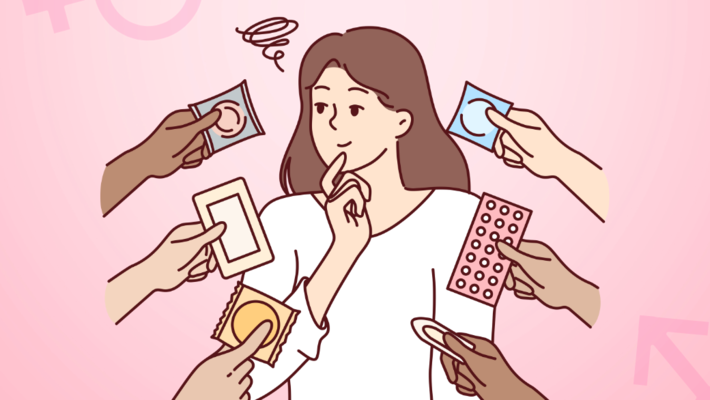
Misunderstandings about Contraception are classic problems that lead to many "unplanned pregnancies." Often, we believe in word-of-mouth or choose convenient but "high-risk" methods without realizing that scientifically, those methods barely prevent sperm at all. Intimacy is a matter of love and pleasure, but it must come with responsibility and correct knowledge to prevent a momentary lapse from changing your life forever.

6 Popular Contraception Misunderstandings :

How reliable is the "Before 7, After 7" method today?

Incorrect methods like withdrawal or rhythmic counting are high-risk and often lead to unintended pregnancies. Proper protection should involve condoms used alongside standard contraception like monthly pills or implants for higher efficiency and confidence in a safe, worry-free partnership.

Follow Our Social Network
Misunderstandings about Contraception are classic problems that lead to many "unplanned pregnancies." Often, we believe in word-of-mouth or choose convenient but "high-risk" methods without realizing that scientifically, those methods barely prevent sperm at all. Intimacy is a matter of love and pleasure, but it must come with responsibility and correct knowledge to prevent a momentary lapse from changing your life forever.
6 Popular Contraception Misunderstandings :
- Withdrawal Method : The most used but most failed method. Male "pre-ejaculate" already contains sperm. Even with perfect timing, the chance of pregnancy is as high as 20-27%.
- Rhythm Method (Before 7, After 7) : This only works for those with "perfectly regular" periods. Stress, lack of sleep, or poor health can shift ovulation, making your counting useless.
- Douching after sex : Whether using clean water or antiseptic, it cannot eliminate sperm because sperm can swim into the uterus within seconds after ejaculation.
- Using plastic bags instead of condoms : Not only does it not protect, but the texture and chemicals in plastic cause severe injury and inflammation to genital tissues.
- "First time" won't result in pregnancy : This is a total myth. No matter which time it is, if there is penetration and a sperm meets a released egg, fertilization can always occur.
- Emergency pills instead of monthly pills : Emergency pills are for "emergencies" only (e.g., a broken condom). Frequent use results in lower efficiency than regular pills and affects hormones and ovaries long-term.
How reliable is the "Before 7, After 7" method today?
- Body Uncertainty : A woman's body is not a machine. Ovulation can change based on mood, health, and lifestyle.
- Sperm Longevity : Sperm can live inside the uterus for up to 3-5 days. Even if you have sex days before ovulation, the waiting sperm can still cause pregnancy when the egg drops.
- High Risk for Irregular Cycles : If your period varies each month, counting days becomes an unpredictable guessing game.
What are the "Correct and Safe" Contraceptive Options?
- Condoms : Protect against both pregnancy and STIs (up to 98% effective if used correctly).
- Monthly Pills / Injections / Implants : Use hormones to inhibit ovulation. Highly effective (over 99%) if followed consistently.
- Intrauterine Device (IUD) : A long-term option (3-10 years) that is safe and removes the worry of forgetting a pill.
- Sterilization : For those certain they don't want more children; it is the most sustainable and effective method.
Incorrect methods like withdrawal or rhythmic counting are high-risk and often lead to unintended pregnancies. Proper protection should involve condoms used alongside standard contraception like monthly pills or implants for higher efficiency and confidence in a safe, worry-free partnership.
Follow Our Social Network
 |  |  |  |  |  |